
History of the Fair
Roots of Tradition (1871–1879)
The Washington County Fair has been a vibrant part of the community since 1871, when it was first held in Cottage Grove. Just a year later, it moved to Stillwater, taking place at the old Parson Farm near Orleans Street and Sixth Avenue. From its earliest days, the fair was more than just an event – it was a reflection of community pride and friendly competition. Highlights of the 1872 fair included a demonstration of new equipment from the Stillwater Fire Department, a 140-pound squash from Afton, and a quilt made by a 7-year-old girl.
From 1873 to 1874, the fair was held at Lily Lake Driving Park in Stillwater. After a dispute over gate revenue, it relocated to Bass Lake (now part of Lake Elmo) in 1875. The fair thrived there, especially in 1876, with daily baseball games between regional teams competing for a $100 prize. A tornado in 1877 damaged the grounds, sending the fair back to Lily Lake Driving Park through 1879.
Enduring the Uncertain Years (1880-1920)
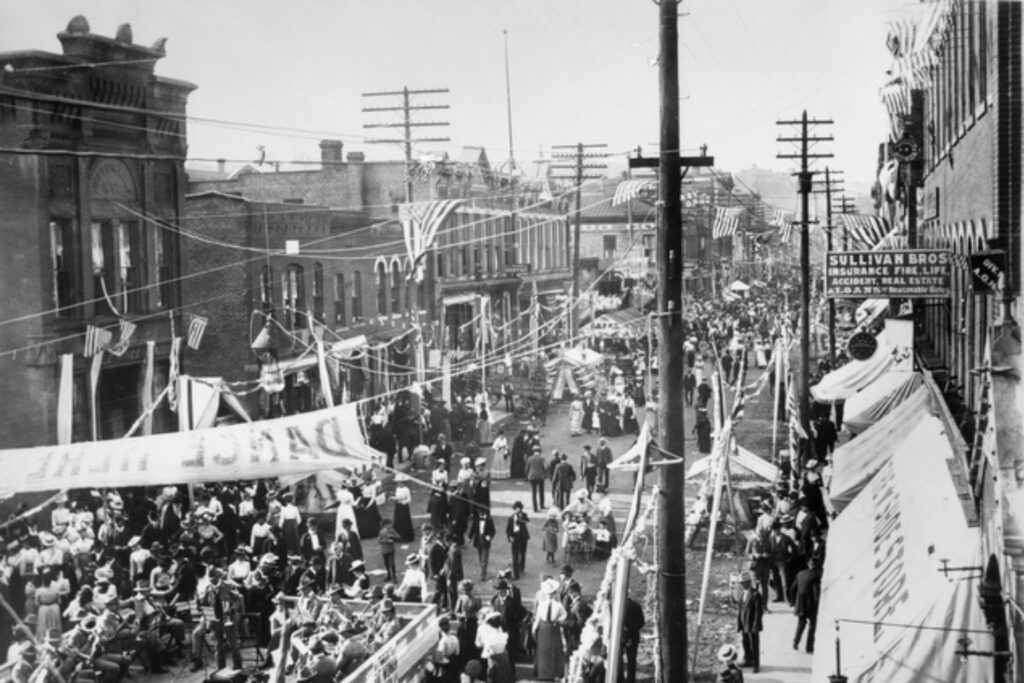
Between 1880 and 1900, the fair’s presence was sporadic, with inconsistent records indicating varying levels of participation. In 1901 and 1902, Stillwater hosted downtown “street fairs,” keeping the tradition alive with animal exhibits and prize competitions.

Building a Legacy (1946–1969)
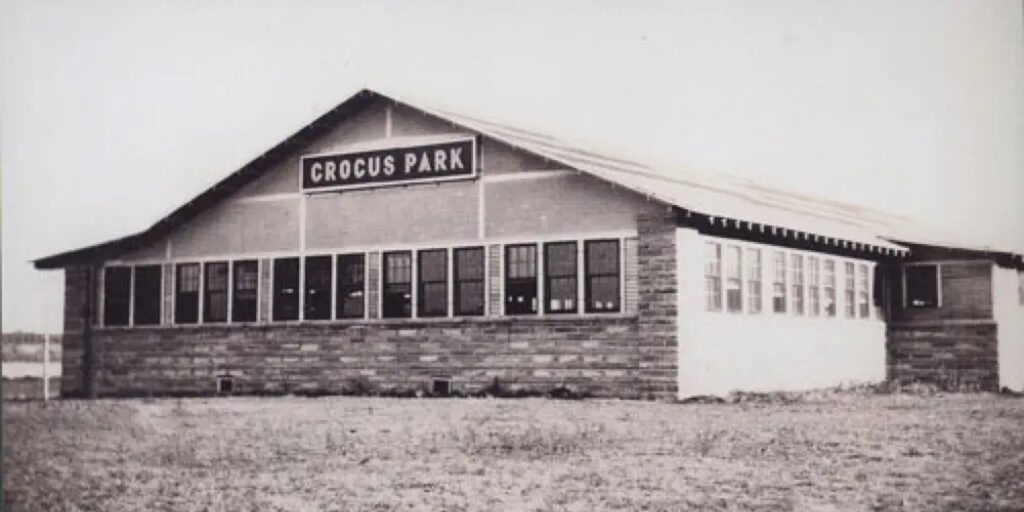
In 1946, the fair found a new home at the former Veterans Conservation Corps (VCC) site in the northern part of Bayport. On opening day, 75 returning servicemen and women were honored with appreciation gifts. Daily flying exhibitions by the St. Paul model airplane club began in 1952, followed by a tractor driving contest in 1959. Participants had to hitch up, back up, and pull a four-wheel wagon through narrow gates for a $50 cash prize. By 1964, the fair had grown to showcase more than 170 cattle and continued to flourish in Bayport for over two decades, running through 1969.
Celebrating the Past and Shaping the Future (1970–Today)
In 1969, the Washington County Agricultural Society purchased 57.44 acres in Lake Elmo (now Stillwater) to create a permanent home for the fair. The fair officially opened at the new grounds in 1970. That first year, three buildings were ready: a cattle barn (only half the roof was finished in time), a sheep/swine barn, and an exhibit building. The exhibit building originally held 4-H and open class exhibits, later housed horses, and today serves as the goat barn. In 1971, the Washington County Agricultural Society Grounds Committee made plans to build an 80′ x 200′ multipurpose space designed to serve as a 4-H dining hall, meeting room, office, and storage area and it still stands today as Hooley Hall.
A few years later, in 1974, the fair was drawing crowds of 54,000, and the Lake Elmo (now Stillwater) location has remained its home ever since. The fairgrounds grew along with the event itself – an additional 50 acres were added to the north side in 1977, followed by nearly 17 acres on the southwest corner in 2002. The most recent expansion came in 2014 with the purchase of 23 more acres, bringing the total land purchased by the Washington County Agricultural Society to 147 acres.

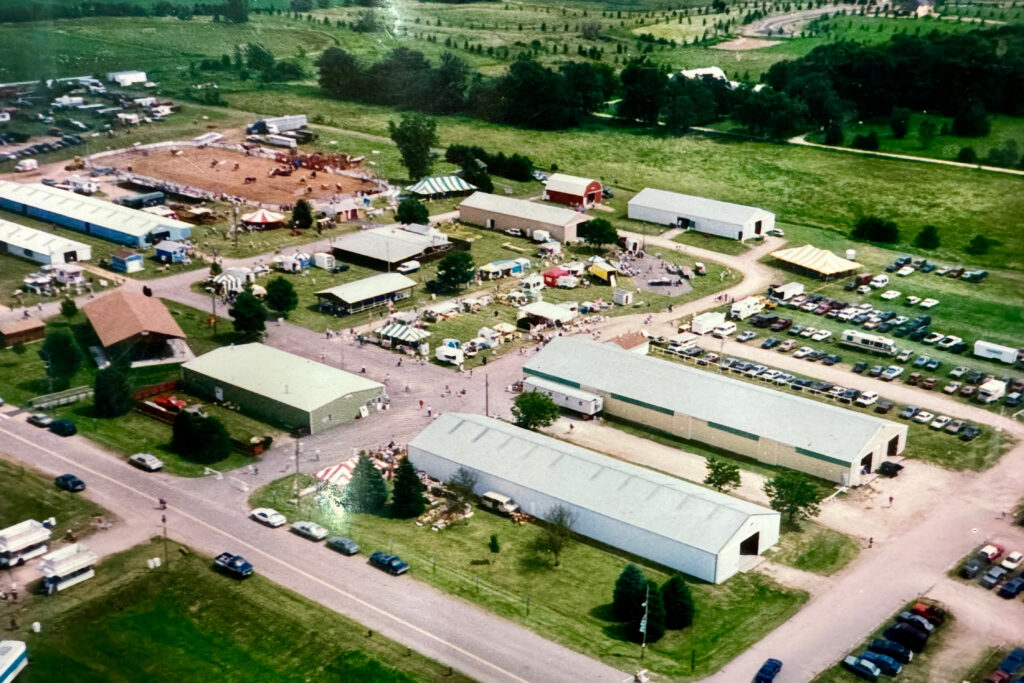
Over the years, the Washington County Agricultural Society has continued to enhance the fairgrounds by constructing new buildings, including updated barns, judging arenas, maintenance spaces, pavilions, and gardens. In 2007, the Ag Society built a grandstand and began hosting demolition derbies. That same year, the Exhibitor’s Guide and Premium List transitioned to an online format, modernizing the fair’s outreach.
The Craft Brew Haus opened in 2019, quickly becoming a local favorite with its selection of regional brews and live band performances. However, like many events worldwide, the Washington County Fair was cancelled in 2020 due to the Covid-19 pandemic. Marking a milestone in 2021, the fair celebrated 150 years since its founding in 1871 and 50 years of being held at its Lake Elmo (now Stillwater) location.
Today, the Washington County Fair continues to thrive in Lake Elmo (now Stillwater), attracting tens of thousands of visitors annually. More than just an event, the fair celebrates community, agricultural heritage, and the rich history of Washington County, offering a beloved summer tradition for all ages.